




skip to main content
NEW! Tongue Fu Talking - A fully-resourced Oracy Framework

Curriculum Design in Early Years

This course gives a clear overview of effective curriculum design in EYFS

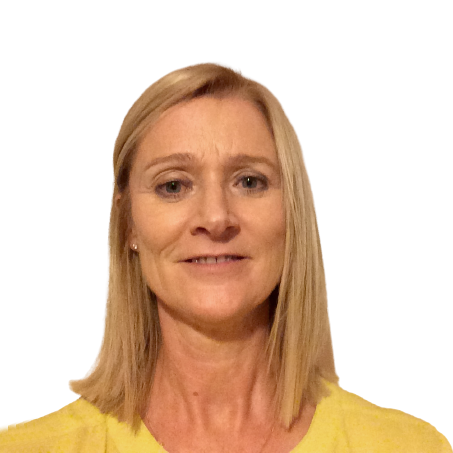
lesley-cutout
Created and Led by
Lesley Minervini
Duration
9.30-3.00 or equivalent
Venue
Online or in-person
Target Audience
Teachers, Senior Leaders, Curriculum Leaders, Subject Leaders

Overview:

Discover all aspects of curriculum design in EYFS with practical guidance on effective provision and progression.

This highly practical, evidence-based course will help you to plan a rich, well-sequenced curriculum for children in Nursery and Reception.

  • Understand all aspects of curriculum design
  • Find out about Threshold Concepts, Big Ideas and Progression
  • Gain a thorough understanding of EYFS requirements

Learn about:

  • Curriculum breadth, cultural capital and powerful knowledge
  • How to develop a curriculum that fits the context of your children
  • Effective curriculum sequencing
  • The role of ‘big ideas’ in shaping children’s schema development
  • Effective Early Years pedagogy
  • The importance of planning for rich, sophisticated vocabulary
  • The inter-related nature of physical and academic development
  • The ways in which executive function and self-regulation can be effectively developed
  • Effective formative assessment.

Advance your understanding of:

  • The changes to the EYFS framework
  • How to create a rich, holistic curriculum that steers children successfully towards the Early Learning Goals
  • The importance of sequencing
  • The different pedagogical approaches that have been proven to be effective
  • The need to embed formative assessment rather than onerous ‘evidence collection’ activities.

Take away:

  • A thorough understanding of the new requirements
  • A high-quality set of example resources to get you started with curriculum planning
  • Practical and ‘workload-friendly’ ideas for formative assessment
  • Examples of resources soon to be published by Chris Quigley Education to help create an evidence-informed progression model.

Enquire about a consultant delivering this course to your school/cluster

* means required field

    Can't find your school? Enter the address manually
  1. This site is protected by reCAPTCHA and the Google Privacy Policy and Terms of Service apply.

Booking Options

This course is delivered by one of our team, Lesley Minervini. Lesley can come to your school to deliver the course in person or host a bespoke Zoom session with your organisation. Please complete the Enquiry form below and we'll get back in touch ASAP.

Enquire
Evidence Informed
Evidence Informed
All our courses are based on peer-reviewed research.
Practical and inspiring
We bridge the gap between evidence and practice.
Versatile environments
We offer a choice between on-demand and live courses.

Latest from the Blog

The Six Tests of a Serious Oracy Curriculum
14th Jun 2026
Much of the current discussion about oracy focuses on creating a culture of talk, increasing discussion opportunities and encouraging student participation. This article argues that these are not curricula. A serious oracy curriculum must first specify what students are expected to learn. It proposes six tests: defining a body of communication knowledge, rooting talk in meaningful content, teaching knowledge about communication itself, developing metacognition, specifying progression and making assessment possible through exemplification. Using Tongue Fu Talking® as an example, the article argues that effective oracy education depends not on more talk, but on a clearly defined, progressive and assessable communication curriculum.
Does your school have a planned vocabulary spine?
19th May 2026
A planned vocabulary spine can transform the way students think, speak and learn.This blog explores why carefully sequenced vocabulary teaching matters, how Tongue Fu Talking® brings vocabulary, metacognition and oracy together through the Five-a-Week Vocabulary Spine, and how students can move beyond simply learning definitions to using words to reason, explain and communicate with increasing precision.
Oracy and Metacognition: Why Talk Is Thinking Made Visible
24th Apr 2026
There is a persistent misconception in schools that oracy is about performance. Clear voice. Confident delivery. Polished presentation.That is part of it.But it comes later.Before students can present ideas, they have to form them. And that process is not silent. It is shaped through talk.This is where oracy and metacognition meet.
Tongue Fu Brand Mark