



skip to main content
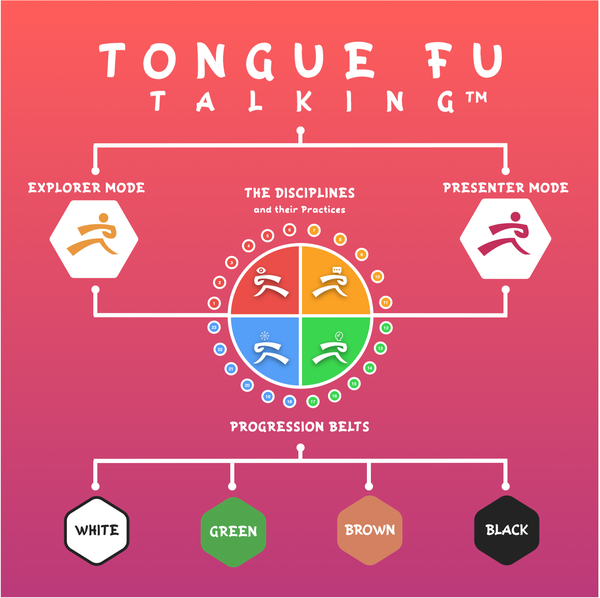
NEW! Tongue Fu Talking - A fully-resourced Oracy Framework
Evidence Informed
Courses, Resources & Consultancy

Empowering schools with evidence-based courses on oracy, metacognition, retrieval practice, and curriculum design to enhance long-term memory and student outcomes.

Quiggle

Training Courses and Educational Resources for Schools and Teachers

Upcoming Live Webinars

Popular On-demand Courses

Inclusion is rightly a major priority for schools. But effective inclusion involves more than policies, interventions and additional support. It depends on what happens in classrooms every day.Drawing on research from the Education Endowment Foundation (EEF), this highly practical course explores five evidence-informed approaches that can support pupils with additional needs while benefiting their classmates too.Chris demonstrates how explicit instruction, cognitive and metacognitive strategies, scaffolding, flexible grouping and the appropriate use of technology can be incorporated into everyday teaching. With examples from across the primary curriculum, the course helps teachers consider how to make learning more accessible without creating entirely separate approaches for different groups of pupils.The aim is to make inclusive teaching part of everyday classroom practice, not something additional that teachers are expected to do.
This course helps school leaders to answer two questions: How effective is your curriculum? How do you know? 
Most schools recognise the importance of oracy. Pupils are encouraged to discuss, explain, question, debate and present their ideas. But creating opportunities for talk is not the same as teaching pupils how to become more effective speakers and listeners.Oracy is the disciplined art of speaking and listening, where thinking, language, expression and collaboration come together to shape understanding and communication. It includes both verbal and non-verbal elements and spans a variety of interactions, from formal presentations to collaborative discussions.This practical, evidence-informed course explores how to move beyond individual activities and develop a coherent, progressive, whole-school approach to oracy from EYFS to KS3. Chris introduces the principles of a structured oracy system, including the explicit teaching of speaking and listening, progression, different purposes for talk and practical approaches to implementation across the curriculum.The aim is not simply to get pupils talking more, but to help every pupil become better at speaking, listening and communicating.

Latest from the Blog

Why Schools Should Stop Searching for Oracy Activities
25th Jun 2026
This article argues that schools should stop searching for oracy activities and start building an oracy curriculum. Activities alone do not define what students should learn, how their learning should develop over time, or how teachers can determine whether learning has taken place. The article draws a comparison with mathematics: schools do not begin by looking for mathematics activities, but by identifying the knowledge and skills students need to learn. It suggests that spoken language should be approached in the same way, with a clearly defined curriculum that specifies content, progression and assessment.

The Six Tests of a Serious Oracy Curriculum
14th Jun 2026
Much of the current discussion about oracy focuses on creating a culture of talk, increasing discussion opportunities and encouraging student participation. This article argues that these are not curricula. A serious oracy curriculum must first specify what students are expected to learn. It proposes six tests: defining a body of communication knowledge, rooting talk in meaningful content, teaching knowledge about communication itself, developing metacognition, specifying progression and making assessment possible through exemplification. Using Tongue Fu Talking® as an example, the article argues that effective oracy education depends not on more talk, but on a clearly defined, progressive and assessable communication curriculum.
Does your school have a planned vocabulary spine?
19th May 2026
A planned vocabulary spine can transform the way students think, speak and learn.This blog explores why carefully sequenced vocabulary teaching matters, how Tongue Fu Talking® brings vocabulary, metacognition and oracy together through the Five-a-Week Vocabulary Spine, and how students can move beyond simply learning definitions to using words to reason, explain and communicate with increasing precision.
Tongue Fu Brand Mark